
THE RISE OF HYBRID SKINCARE STORES: ONLINE MEETS OFFLINE

In the ever-changing world of beauty, consumer behavior has evolved dramatically. Shoppers are no longer satisfied with choosing between online or offline—they want both. As a result, the modern skincare store is transforming into a hybrid space that merges digital convenience with in-person experiences. This shift is reshaping how brands engage with customers and how people discover their favorite skincare products.

What Is A Hybrid Skincare Store?

A hybrid skincare store is a retail model that integrates both physical and online shopping experiences. Customers can browse products online, make purchases digitally, and still enjoy the benefits of visiting a brick-and-mortar store—such as trying textures, testing scents, and consulting with experts.

Major players like Sephora and Ulta Beauty are leading this movement by offering seamless omnichannel experiences. Even smaller independent skincare stores are following suit, using social media and e-commerce platforms to extend their reach beyond local audiences.
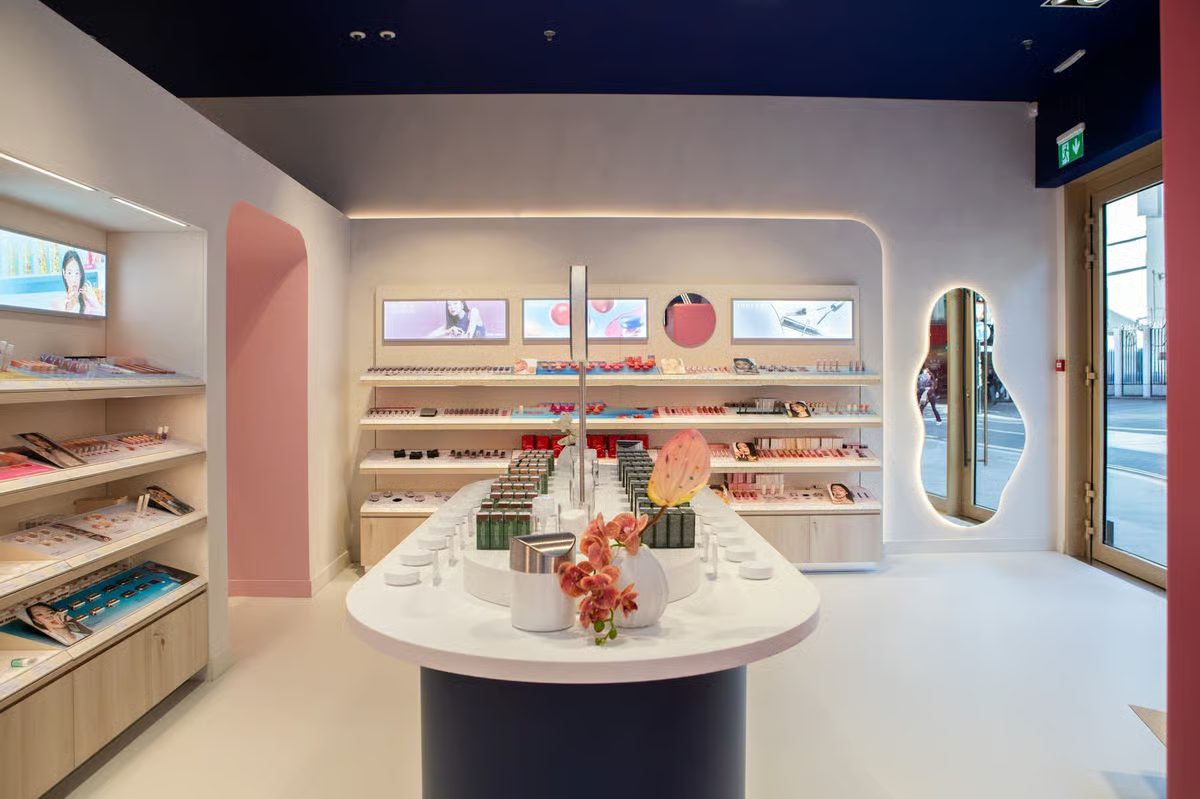
skincare-store

Why Hybrid Models Are Changing The Beauty Game

The hybrid model is revolutionizing the beauty industry for several reasons:

  • Omnichannel Experience: Customers can purchase online and pick up in-store or vice versa, providing unmatched flexibility.
  • Personalized Shopping: Through AI and data analytics, stores can offer customized skincare recommendations tailored to each customer’s skin type.
  • In-Store Engagement: Physical stores still hold emotional value—testing, touching, and consulting directly create stronger brand trust.

According to an article on Vogue Business, hybrid beauty retailing will continue to dominate as brands seek to provide immersive and personalized experiences both online and offline.

Technologies Driving Hybrid Skincare Stores

The rise of hybrid skincare stores is powered by technology. Advanced tools now allow customers to experience skincare products virtually before purchasing:

  • AR Skin Analysis: Enables customers to scan their skin and receive real-time product suggestions.
  • Virtual Try-On Tools: Help users visualize how skincare or makeup will look after application.
  • Mobile Shopping Apps: Offer loyalty rewards, product tracking, and appointment booking in one place.

These technologies not only increase convenience but also help skincare stores gather insights to improve customer satisfaction.

Case Studies: Brands Leading The Hybrid Movement

Some leading beauty brands have mastered this new model:

  • Sephora integrates digital skin scanning with expert consultations in stores.
  • Glossier builds community through online content and physical pop-up shops.
  • Local Independent Skincare Stores are leveraging Instagram and TikTok to drive foot traffic and host exclusive in-store events.

Each of these brands demonstrates how blending digital tools with human interaction can create a powerful hybrid skincare experience.

Challenges And Future Outlook

While hybrid retail brings innovation, it also introduces challenges. Maintaining consistent customer experiences across digital and physical platforms requires significant investment in technology and staff training. Moreover, smaller skincare stores must compete with global e-commerce giants that already dominate online search visibility.

Still, the future is bright. As AI assistants, personalized skincare boxes, and immersive AR shopping grow more accessible, hybrid skincare stores are set to define the next decade of beauty retail.

The Future Of Skincare Stores Is Hybrid

The hybrid skincare store isn’t just a trend—it’s the natural evolution of modern beauty retail. Consumers value both the convenience of digital shopping and the authenticity of real-world interaction. Skincare brands that embrace hybrid models will thrive by delivering the best of both worlds.

Partner With A Trusted Supplier – Lacaco

If you’re looking to elevate your skincare store with high-quality products, partner with Lacaco — a trusted cosmetic and skincare wholesale supplier serving beauty retailers across the United States.
Lacaco provides a diverse range of authentic, trending skincare products that help stores stay competitive in today’s fast-evolving hybrid beauty market.

HOW AI-POWERED PLATFORMS ARE REDEFINING BEAUTY SUPPLIERS ONLINE FOR US STORES

The beauty industry is rapidly evolving, and technology — especially Artificial Intelligence (AI) — is at the heart of this transformation. Today, beauty suppliers online are no longer just digital catalogs; they’re intelligent ecosystems helping US beauty stores predict trends, personalize product selections, and optimize operations. With AI-driven insights, businesses can now source smarter, sell faster, and satisfy customers like never before.

The Growing Role of AI in the Beauty Industry

AI has become a game-changer in the global beauty landscape. From virtual try-on tools to predictive analytics, it allows brands and suppliers to understand what customers want — before they even search for it. Machine learning models analyze massive datasets from social media, reviews, and sales reports to forecast trends and guide product development.

In short, AI isn’t just enhancing creativity; it’s revolutionizing how beauty businesses operate and connect with customers.

How AI Is Transforming Beauty Suppliers Online

Smarter Product Matching and Recommendations

AI-driven algorithms help beauty suppliers online match the right products with the right stores. By analyzing store size, target demographics, and sales patterns, platforms can suggest best-selling skincare or makeup lines that fit perfectly with each retailer’s customer base. This means less guesswork and more accurate, data-driven purchasing decisions.

Real-Time Pricing and Inventory Insights

One of the biggest pain points for beauty retailers is managing stock and pricing. With AI-powered wholesale systems, suppliers can now provide real-time inventory updates and dynamic pricing based on market demand. This transparency helps stores avoid overstocking or missing out on trending products.

Enhanced Customer Support and Chatbots

AI chatbots are improving communication between beauty suppliers and store owners. These tools can answer common questions, recommend alternatives, and even help process wholesale orders — all available 24/7. For busy beauty store managers, this means faster responses and smoother purchasing experiences.

Benefits for US Beauty Stores

Partnering with AI-enhanced beauty suppliers online offers numerous advantages for US retailers:

  • Faster order management: Automation speeds up quotation, invoicing, and shipping processes.
  • Data-backed insights: Retailers can track what sells best and restock efficiently.
  • Lower operational costs: AI reduces the need for manual research and stock management.

Customer satisfaction: Personalized product suggestions help stores curate selections that fit their clientele.

beauty-suppliers-online

Challenges and Future Outlook

Despite its benefits, integrating AI comes with challenges. High implementation costs, data privacy concerns, and the need for technical training can slow adoption. However, as the technology becomes more accessible, these barriers are fading fast.

In the near future, AI will likely become a standard tool across the beauty supply chain — from product formulation to wholesale logistics — creating smarter, more sustainable operations for all.

Where to Find Trusted AI-Driven Beauty Suppliers Online

Retailers looking for innovative suppliers should prioritize platforms that use AI for data analytics, demand forecasting, and personalization. These systems help beauty stores stay ahead of market shifts.

For example, global insights from Forbes – How AI Is Transforming Beauty highlight how technology is making the industry more efficient and customer-centric. Similarly, Vogue Business discusses the increasing role of automation and smart analytics in supply chain management.

The Future of AI and Beauty Supply Chains

AI is no longer a futuristic concept — it’s a practical necessity for growth. As beauty suppliers online adopt smarter systems, US beauty stores can look forward to faster sourcing, personalized recommendations, and more sustainable business models. The partnership between technology and beauty will continue to reshape how stores connect with customers in this digital-first era.

Find Your Trusted Partner: Lacaco

At the end of the day, success depends on choosing the right supplier.
Lacaco stands among the most trusted beauty suppliers online in the US, offering a curated range of authentic skincare and cosmetic products for wholesale buyers. Whether you manage a boutique beauty store or a large retail chain, Lacaco helps you access quality products at competitive prices — empowering your business with reliability, innovation, and value.

MULTI-SENSORY BEAUTY IN-STORE EXPERIENCES: BEYOND JUST BUYING PRODUCTS

In today’s competitive retail landscape, beauty in store is no longer just about picking a product off the shelf. Shoppers, especially Gen Z and Millennials, expect immersive and multi-sensory experiences that go beyond traditional shopping. From personalized scents and interactive AR try-ons to Instagram-worthy store designs, beauty brands are transforming their physical spaces into destinations that engage all five senses. This shift not only redefines the way consumers connect with products but also strengthens brand loyalty in an era where experience matters more than ever.

What Is a Multi-Sensory “Beauty In Store” Experience?

A multi-sensory beauty in store experience transforms a simple shopping trip into an immersive journey. Instead of just browsing product shelves, customers are invited to engage with sight, smell, sound, touch, and even interactive AR/VR elements. This approach aligns with the principles of sensory branding, in which brands appeal to multiple senses to forge emotional connections.

In this context, even a well-curated shelf arrangement is part of a larger strategy: visual merchandising (lighting, color, layout) works together with ambient scents, curated playlists, touchable textures, and digital try-on stations to create a cohesive in-store identity.

beauty-in-store

Trends Driving Multi-Sensory Beauty In Store in 2025

Visual, Olfactory & Sound Trends

  • Visual & Brand Ambience: Flagship beauty stores are increasingly emphasizing Instagrammable layouts, LED walls, projection mapping, and coordinated color schemes that reflect brand identity.
  • Signature Scent Branding: Many brands now treat scent as a core element of identity. Research shows consumers are much more likely to remember smells than visuals or sounds.
  • Curated Soundscapes: Background music or ambient sounds tailored to the brand mood extend dwell time and emotional engagement.

These trends show that beauty in store is evolving: brands are no longer competing just by product lines, but by the emotional resonance of the store environment itself.

How Each Sense Plays a Role in Beauty In Store

Sight (Vision & Aesthetics)

Visual cues are often the first point of contact. The colors, lighting, displays, signage, and spatial design all convey a brand story. Designers often use modular display walls, lightboxes, and immersive graphics to align spatial visuals with product narratives.

Smell (Olfactory Branding)

A carefully selected scent signature can trigger emotional recall and reinforce brand identity. A signature fragrance helps consumers associate emotions with a particular store experience, making the brand more memorable.

Sound (Auditory Experience)

Soundscapes set the mood. Familiar or branded music can extend dwell time, influence emotions, and encourage exploration. Some avant-garde stores even use adaptive audio or reactive sound elements triggered by shopper movement.

Touch (Tactile Interaction)

Encouraging customers to touch, test, and try product textures is critical in beauty retail. The tactile experience provides confidence in product quality and sensory fit. Emerging tactile technologies or haptic feedback can further enhance this sense in interactive displays.

Interactive & Digital Layers (AR/VR & Smart Tech)

AR mirrors, virtual try-on apps, AI skin diagnostics and other smart tech blend the physical and digital, giving customers a futuristic sensory layer. Retail stores are increasingly adopting these to enhance beauty in store engagement.

The Future of Beauty In Store

The future of beauty in store lies in multi-sensory design that transforms shopping into an experience. Customers today want more than products—they want memorable, emotional, and personalized journeys. Brands that adapt will not only attract visitors but also keep them coming back.

For beauty retailers in the U.S. who want to create standout in-store experiences, having a reliable supply chain is essential. Lacaco is a trusted cosmetic wholesale supplier in the USA, providing high-quality beauty products at competitive prices. By partnering with Lacaco, beauty stores can easily access a wide range of skincare, makeup, and haircare items—helping them deliver exceptional value to customers and stay ahead in a fast-changing market.

TOP INNOVATIONS BEAUTY STORES SHOULD ADOPT TO ATTRACT GEN Z

Gen Z is becoming the most influential group of shoppers, and their preferences are reshaping how every beauty store operates. Unlike previous generations, Gen Z looks for innovation, sustainability, and personalized experiences when choosing where to shop. This means that a traditional beauty store must go beyond just offering products—it needs to create engaging, tech-driven, and eco-conscious solutions to stay relevant. In this article, we explore the top innovations that beauty stores should adopt to attract Gen Z customers and build long-term loyalty.

Top Innovations Beauty Stores Should Adopt

1. Personalized Shopping Experiences with AI

Modern Gen Z shoppers expect brands to understand their needs. A beauty store can use AI-powered tools such as skin analysis apps, chatbots, and AR makeup try-on mirrors to deliver customized product recommendations and enhance the customer journey.

BenefitsExamples
Improves shopping accuracy by matching products with skin type or tone.

Builds stronger customer trust through tailored advice.

Increases sales conversion by reducing product return rates.
Sephora’s “Virtual Artist” app for AR makeup try-on.

L’Oréal’s AI-driven skin analysis tool.

Beauty stores using chatbots for 24/7 personalized consultation.

2. Sustainable & Eco-Friendly Practices

Gen Z values sustainability and prefers brands that align with their lifestyle choices. A beauty store that embraces eco-conscious solutions such as refill stations, clean ingredients, and recyclable packaging will gain a competitive edge.

BenefitsExamples
Attracts eco-conscious Gen Z shoppers.

Strengthens brand reputation as a responsible retailer.

Encourages long-term loyalty from sustainability-focused customers.
The Body Shop’s refill program for shampoos and lotions.

Beauty stores offering biodegradable packaging.

Retailers promoting vegan and cruelty-free beauty lines.

3. Social Media & Influencer Integration

Gen Z’s beauty choices are heavily influenced by social media trends. A beauty store can leverage TikTok, Instagram, and YouTube to showcase products, host livestream events, and partner with influencers for authentic engagement.

BenefitsExamples
Expands brand visibility to a younger audience.

Builds community and encourages user-generated content.

Increases trust through influencer recommendations.

Glossier’s strong Instagram community strategy.

Ulta Beauty collaborating with TikTok influencers.

Beauty stores running live shopping events on social platforms.

4. Tech-Driven In-Store Experience

Technology transforms a physical beauty store into an interactive playground. AR mirrors, QR codes, and mobile checkout systems create a seamless blend of online convenience with offline experience.

BenefitsExamples
Enhances customer engagement with interactive product testing.

Speeds up the checkout process, reducing wait times.

Encourages repeat visits through unique in-store experiences.


AR mirrors for virtual makeup application in beauty stores.

QR code scanning for instant product details and reviews.

Self-checkout kiosks in Sephora and Ulta Beauty.

5. Community & Experiential Marketing

Gen Z shoppers want more than just products—they seek experiences. A beauty store that offers workshops, masterclasses, and loyalty-driven events can position itself as a lifestyle destination.

BenefitsExamples
Creates emotional connections with customers.

Encourages word-of-mouth promotion through unique experiences.

Builds customer loyalty beyond simple transactions.


Beauty workshops hosted by Sephora to teach makeup skills.

In-store skincare tutorials led by professionals.

Loyalty programs rewarding participation in events.

Case Studies – Beauty Stores Winning Gen Z

Some of the world’s leading beauty stores have already shown how innovation can capture Gen Z’s attention. These case studies highlight practical approaches that combine technology, sustainability, and digital engagement.

Sephora

Sephora has become a model for how a beauty store can integrate digital tools with physical shopping. From AR makeup mirrors to one of the most advanced loyalty programs in retail, Sephora creates a seamless experience Gen Z values.

beauty-store

Glossier

Glossier built its reputation by engaging Gen Z through social media and community-driven marketing. Its pop-up beauty stores provide immersive experiences, while its online-first approach shows how digital engagement fuels real-world sales.

Lush Cosmetics

Lush is a strong example of sustainability in action. By offering refill options, fighting against animal testing, and running activism campaigns, this beauty store aligns perfectly with Gen Z’s eco-conscious mindset.

How Your Beauty Store Can Get Started

For many retailers, adopting new strategies may seem overwhelming, but starting small can make a big difference. Every beauty store can begin by prioritizing the needs of Gen Z and gradually introducing innovations that match its resources.

Step 1: Understand Gen Z Preferences

Research their expectations: personalization, sustainability, and interactive shopping experiences.

Step 2: Start with One Key Innovation

Introduce an AR try-on feature, a refill station, or a loyalty program before scaling to larger initiatives.

Step 3: Strengthen Your Online Presence

Build a strong digital footprint through social media marketing, influencer collaborations, and SEO-friendly content.

Step 4: Collect Feedback and Adjust

Listen to customers, track performance, and refine strategies so your beauty store remains relevant in a fast-changing market.

To successfully implement these strategies, partnering with the right supplier is essential. Lacaco is a trusted wholesale cosmetics provider that helps every beauty store access high-quality, authentic products at competitive prices. With a wide range of international and trending beauty brands, Lacaco supports retailers worldwide in delivering the innovations Gen Z demands. Whether you are a small boutique or a large retail chain, Lacaco can be your reliable partner in building a modern and future-ready beauty store.

HOW TO IDENTIFY RELIABLE BEAUTY WHOLESALE SUPPLIERS

Choosing the right beauty wholesale suppliers is one of the most important decisions for retailers and resellers. Partnering with trustworthy suppliers not only ensures product quality but also protects your brand’s reputation and business sustainability. On the other hand, working with unreliable partners can result in poor-quality products, shipping delays, and customer dissatisfaction.

Key Factors to Identify Reliable Beauty Wholesale Suppliers

When evaluating suppliers, consider the following factors to ensure reliability:

  • Reputation and Reviews
    Look at online testimonials, industry feedback, and supplier track records. Established suppliers usually have positive recognition.
  • Product Quality
    Authenticity and safety are crucial. Choose suppliers who provide certifications and transparent product details.
  • Pricing and Transparency
    Be cautious of extremely low prices. Reliable suppliers offer fair rates without hidden fees.
  • Customer Support
    A professional partner responds quickly, provides clear return policies, and maintains smooth communication.
  • Delivery and Logistics
    On-time shipments, secure packaging, and flexible transport options are clear signs of a reliable business.

By checking these points, you can filter out suppliers who might risk your business success.

Red Flags to Watch Out For

Not every opportunity is worth pursuing. Some warning signs should immediately raise your concerns.

Common red flags include:

  • Prices that are far below market averages.
  • Lack of certifications or clear product details.
  • No return or refund policies.
  • Poor or slow communication with the supplier.

If you notice any of these issues early, it is safer to avoid the partnership before committing time and money.

How to Verify Beauty Wholesale Suppliers Before Partnership

Verification is the step that protects you from costly mistakes. Instead of rushing into deals, take time to confirm supplier credibility.

Practical steps you can take:

  • Request official business licenses and certifications.
  • Order product samples to test quality directly.
  • Research reviews from multiple platforms or reseller forums.
  • Meet suppliers at trade shows and expos for direct evaluation.

These checks allow you to see whether a supplier can truly support your business in the long run.

Benefits of Working With Trusted Beauty Wholesale Suppliers

Partnering with reliable suppliers ensures smooth operations and long-term growth. The advantages go beyond just receiving products on time.

You can expect:

  • ✅ Guaranteed product authenticity and safety.
  • ✅ Reliable supply that prevents lost sales opportunities.
  • ✅ Transparent pricing that supports healthy margins.
  • ✅ Enhanced reputation that attracts loyal customers.
  • ✅ Strategic partnerships that help you expand.

These benefits prove that the right supplier is not just an option, but a necessity for success.

Identifying reliable beauty wholesale suppliers is one of the smartest investments a reseller or retailer can make. By focusing on reputation, quality, transparency, and customer support, you minimize risks and maximize growth potential. Always look for warning signs, verify carefully, and aim for long-term partnerships with suppliers you can trust.If you are searching for a dependable wholesale partner, Lacaco provides authentic beauty products and professional reseller support, making it an excellent choice for your business. For more industry knowledge, you can also explore Investopedia for business insights and BeautyMatter for the latest beauty trends.

HOW TO CHOOSE THE BEST MAKE UP BRANDS FOR YOUR RETAIL STORE

Choosing the right make up brands for your retail store is more than just filling your shelves with popular products. It’s about building trust with your customers, maximizing your profit margins, and creating a long-lasting reputation in the beauty industry. With countless options available, selecting the best make up brands can feel overwhelming—but with the right approach, it becomes an opportunity to grow your business.

Understand your target customers

The first step in choosing the right make up brands is understanding your customers. Are they teenagers looking for trendy and affordable products? Or are they working professionals who prefer premium beauty care solutions? By analyzing age, preferences, and spending habits, you can identify which brands will resonate most with your audience.Customers today are increasingly conscious of both beauty care and ethical choices, which means stocking cruelty-free or eco-friendly products can boost your retail success. According to Statista, the global cosmetics market continues to grow as customers become more selective about what they purchase.

make-up-brands

Key factors to consider when selecting make up brands

Brand reputation and awareness

Choose make up brands with strong market recognition. Well-known names increase customer trust and make selling easier.

Product quality and ingredients

High-quality products with safe and effective ingredients build loyalty. Look for brands that emphasize dermatologically tested or organic formulas.

Pricing strategy and profit margins

Balance affordability for your customers with profitability for your business. A mix of high-end and affordable brands often works best.

Variety and product range

Select brands that offer a wide range of categories—foundation, lipsticks, eye shadows, skincare-infused cosmetics—so customers can find everything in one place.

Authenticity and certifications

Ensure products come with proper certifications such as FDA approval, cruelty-free, or vegan. This not only builds trust but also protects your store’s reputation.

Supplier reliability and distribution

Reliable suppliers ensure consistent stock availability. Without stable supply, even the best make up brands may fail to generate long-term sales.

Popular make up brands for retail stores in 2025

Some of the most in-demand make up brands that continue to perform well include:

  • Maybelline – Affordable and trendy, perfect for younger audiences.
  • MAC Cosmetics – High-quality products widely trusted by professionals.
  • Fenty Beauty – Inclusive shade ranges that attract diverse customers.
  • L’Oréal – A global leader with products across all price points.

Retailers who stock these brands often enjoy stronger customer engagement and repeat purchases.

How to build strong partnerships with suppliers

Finding the right supplier is just as important as choosing the right make up brands. Strong partnerships help you negotiate better prices, ensure product authenticity, and secure consistent delivery.

At Lacaco, we specialize in providing authentic wholesale beauty products to help retailers grow with confidence. Our reliable supply chain and wide network of global brands make it easier for you to stock the products your customers already love.

Benefits of choosing the right make up brands

  • Boost overall sales and revenue.
  • Build a strong and professional retail image.
  • Increase customer loyalty and repeat purchases.
  • Stay aligned with the latest beauty care trends.

Keeping up with beauty care trends

The beauty industry evolves quickly, and staying updated is crucial for success. Retailers can:

  • Follow beauty sales reports and market research updates.
  • Attend beauty expos and trade shows.
  • Partner with trusted distributors like Lacaco to gain early access to trending products.

You can also keep track of global market insights via sources like Cosmetics Business, which provide valuable trend updates.

Selecting the right make up brands is not just a business decision—it’s a strategic move that shapes the future of your retail store. By focusing on customer needs, product quality, and reliable suppliers, you can set your store apart in a competitive market.

If you’re ready to grow your beauty business, connect with Lacaco today and start building your retail success with the best make up brands available.

TRENDS IN BEAUTY CARE THAT RESELLERS SHOULD WATCH IN 2025

beauty-care

The beauty care industry is evolving at lightning speed, and 2025 promises to be one of the most exciting years yet. Consumer expectations are changing, technology is reshaping the way we shop, and new lifestyles are influencing purchasing behavior. For resellers, keeping track of these shifts is no longer optional—it is a business necessity. By understanding the latest beauty care movements, resellers can maximize beauty sales, meet customer needs, and build stronger, more future-ready businesses.

If you’re a reseller looking for reliable sources of authentic products, Lacaco is a trusted wholesale partner offering a wide range of beauty care items that align with today’s fast-changing trends.

Why Following Beauty Care Trends Matters in 2025

Beauty care has always been trend-driven, but in 2025 the pace of change is even faster. From Gen Z shoppers who prioritize transparency and sustainability to professionals who want multi-functional solutions, the market is becoming more dynamic. According to Statista, the global beauty industry is projected to grow steadily, driven by shifting consumer habits and digital innovation.

Resellers who fail to adapt risk missing out on booming opportunities in beauty sales. On the other hand, those who embrace trends can strengthen customer trust, attract a loyal audience, and stay competitive.

Key Beauty Care Trends to Watch in 2025

1. Clean and Sustainable Beauty

Eco-friendly and sustainable beauty care is no longer a niche—it’s mainstream. Consumers are demanding cruelty-free, organic, and refillable packaging options. Brands that offer care beauty products without harsh chemicals or unnecessary waste are gaining popularity. Resellers should focus on stocking items that highlight clean formulas and environmentally conscious packaging to boost beauty sales and win customer loyalty.

2. AI and Personalized Skincare

Technology is transforming beauty care. With the rise of AI-driven skin analysis and virtual consultations, consumers now expect highly personalized routines. Custom serums, AI-powered skincare apps, and data-backed product recommendations are becoming industry standards. As Forbes reports, personalization is one of the top consumer expectations in the beauty sector. Resellers who partner with brands offering personalized solutions can tap into a growing segment of tech-savvy buyers.

3. Hybrid Makeup-Skincare Products

The line between makeup and skincare is blurring. Consumers want products that not only enhance appearance but also provide long-term benefits. Think tinted moisturizers with SPF, serum foundations, or BB creams with antioxidants. This hybrid approach appeals to busy lifestyles, allowing people to simplify their routines while caring for their skin. For resellers, these dual-function products are a smart way to increase beauty sales in 2025.

4. Men’s Beauty on the Rise

Men’s grooming is experiencing a major transformation. More men are investing in skincare, haircare, and even subtle makeup. This shift is pushing brands to create male-focused beauty care lines that go beyond basic shaving products. Resellers who recognize this trend can open up fresh revenue streams and expand their customer base.

5. Wellness-Driven Beauty

The connection between beauty and wellness is stronger than ever. Consumers are looking for products that not only improve their skin but also support overall well-being. Items infused with calming botanicals, aromatherapy ingredients, or stress-relieving elements are becoming must-haves. For resellers, incorporating wellness-driven care beauty products can help differentiate their offerings in a crowded marketplace.

How Resellers Can Adapt to 2025 Beauty Care Trends

  • Diversify inventory strategically: Stock clean, sustainable, and hybrid products to meet evolving consumer demand.
  • Partner with innovative suppliers: Work with brands that embrace personalization, AI, and eco-conscious solutions.
  • Leverage social media and influencers: Promote trending products through platforms like TikTok and Instagram to amplify beauty sales.
  • Educate customers: Create content that explains the benefits of new beauty care trends. Knowledge builds trust and encourages repeat purchases.
  • Focus on value and transparency: Today’s customers want both effective products and brands they can trust. Highlight product safety, ingredient sourcing, and honest marketing.

In 2025, beauty care is about much more than appearance—it’s about sustainability, personalization, and holistic well-being. Resellers who embrace these trends will not only drive beauty sales but also position themselves as trusted leaders in the evolving marketplace. By staying updated, investing in innovation, and focusing on care beauty solutions, resellers can build lasting success in one of the most vibrant industries today.

And with trusted wholesale partners like Lacaco, resellers can confidently source authentic products that align with the latest beauty care movements, ensuring long-term growth and customer satisfaction.

SKINCARE-INFUSED MAKEUP: THE FUTURE OF NEW BEAUTY

new-beauty

In recent years, new beauty has redefined the standards of the cosmetics industry, where consumers seek not only flawless coverage but also healthier skin. One of the most notable innovations driving this shift is skincare-infused makeup—a new generation of skincare makeup that delivers radiant looks while nourishing the skin from within. This powerful blend of care and aesthetics proves that new beauty is no longer a distant trend but a reality shaping everyday beauty routines.

What is new beauty?

The term new beauty describes a movement in the beauty industry that emphasizes conscious choices, healthier formulations, and multifunctional products. Unlike traditional makeup that often focused solely on aesthetics, new beauty reflects a deeper awareness: people want products that align with their values, support skin health, and fit into busy modern lifestyles. According to Harper’s Bazaar, this new standard is shaping the future of beauty consumption across generations, particularly among Millennials and Gen Z.

Skincare-infused makeup explained

At its core, skincare-infused makeup is makeup enriched with skincare ingredients—like foundations with hyaluronic acid, lipsticks with Vitamin E, or primers with niacinamide. These hybrid products provide two benefits in one: they enhance appearance while simultaneously caring for the skin. This is exactly what new beauty represents: smarter, more functional products that merge health and beauty without compromise.

Benefits of skincare-infused makeup

The advantages of skincare makeup go beyond convenience. Here are the key benefits that perfectly align with the new beauty philosophy:

  • Nourishes the skin while providing coverage – makeup no longer harms the skin but actively supports its health.
  • Saves time and money – hybrid products combine skincare and makeup steps, perfect for busy lifestyles.
  • Delivers long-lasting comfort – lightweight, breathable formulas reduce irritation compared to heavy traditional makeup.
  • Protects against environmental stressors – antioxidants and SPF shield the skin from sun damage and pollution.
  • Supports healthier long-term skin – consistent use improves hydration, texture, and glow over time

Key skincare ingredients in makeup

What makes skincare-infused makeup truly powerful is its active ingredients. Here are some of the most common components:

  • Hyaluronic Acid – deeply hydrates the skin, keeping it plump and smooth all day.
  • Vitamin C – brightens dull skin while offering antioxidant protection.
  • Peptides & Collagen – improve elasticity, reduce fine lines, and promote firmness.
  • Niacinamide – balances oil production, reduces blemishes, and soothes irritation.
  • SPF & Antioxidants – shield against UV rays and environmental stressors, preventing premature aging.

Market trends: skincare-infused makeup leading the new beauty movement

Global Beauty Leaders
Brands like IT Cosmetics pioneered this trend with their Your Skin But Better CC Cream, a cult favorite enriched with SPF 50 and hydrating ingredients. Estée Lauder followed suit with the Futurist Hydra Rescue Foundation, which combines ion-charged water, probiotics, and antioxidants for a radiant finish. Meanwhile, Rare Beauty by Selena Gomez champions lightweight formulas that care for the skin while enhancing natural beauty. Luxury houses like Dior have also embraced this philosophy with their Backstage Face & Body Foundation, which delivers skincare benefits in a professional-grade formula.

K-Beauty Innovations
The Korean beauty industry has long led the way in multifunctional products. Cushion foundations such as the Laneige Neo Cushion combine essence-like hydration with perfect coverage, while BB and CC creams—originating in Korea—remain global bestsellers thanks to their dual function as both makeup and skincare. These innovations have made skincare makeup a mainstream category, reinforcing its place at the center of the beauty movement.

Consumer Demand
Younger generations are driving this demand for multifunctional products. According to Vogue, hybrid beauty is one of the fastest-growing segments in the industry, with consumers seeking efficiency, transparency, and wellness-driven formulations.

Where to Buy
Today, these products are widely available across international retailers. For businesses looking to catch up with the new trend at scale, wholesale suppliers like Lacaco provide authentic, carefully curated selections of international beauty brands. This makes it easier for retailers to meet the rising demand for skincare makeup while ensuring product authenticity and competitive pricing.

How to embrace the trend

Adopting the principles of trend doesn’t have to be complicated. Here are simple ways consumers can incorporate skincare makeup into their daily routines:

  • Look for hybrid labels – choose foundations, lipsticks, or primers that highlight skincare actives like hyaluronic acid or niacinamide.
  • Prioritize transparent brands – select companies that disclose ingredients and avoid harmful additives.
  • Invest in multifunctional products – BB creams, CC creams, and tinted moisturizers save time while nourishing the skin.
  • Balance skincare with makeup – maintain a solid skincare routine alongside hybrid products for optimal results.
  • Stay updated with beauty trends – follow trusted sources like Byrdie to discover the latest new beauty innovations.

HOW TO SOURCE AUTHENTIC COSMETIC PRODUCTS FOR YOUR BUSINESS

Sourcing cosmetic products for your business may sound easy at first, but the real challenge lies in ensuring authenticity. Selling counterfeit makeup or unsafe skincare products can damage your reputation, harm customers, and even lead to legal consequences. To build a sustainable beauty business, you need to know exactly how to find and verify authentic products from trustworthy suppliers.

Where to source authentic cosmetic products and how to control risk while you scale

Authorized wholesalers with transparent paper trails

Work with distributors who can show current brand authorization and pass-through invoices tied to batch numbers. A strong example is a wholesaler focused on authenticity and documentation like LACA Corp, where you can centralize orders while keeping the paper trail intact.

Buying direct from brands

When brands run B2B programs, you reduce middlemen and uncertainty. It’s often slower at first (account setup, MOQs), but unit-level authenticity is simplest to prove because the documentation originates at the source.

Trade shows & B2B platforms. Use them for diligence, not just deals

Expos and platforms are discovery channels; treat them like interview rooms. After the first call, request: facility registration status, GMP certificate validity window, and three brand references. The goal isn’t a bargain—it’s a verified route from factory to your shelf.

A supplier vetting workflow that actually surfaces fakes

When sourcing cosmetic products, relying only on supplier certificates or shiny catalogs is not enough. Counterfeiters know how to replicate documents and packaging. What you need is a clear, step-by-step vetting process that digs deeper and reveals whether your supplier is truly reliable. Most checks stop at certificates. Go deeper with a repeatable workflow:

Discovery → Verification → Pilot → Scale → Surveillance.
During Verification, don’t just accept PDFs. Ask for: 

(a) sample labels that include lot/batch codes

(b) a redacted page from the batch manufacturing record

(c) images of tamper-evident seals used at carton level.

 In Pilot, place a small, mixed-SKU order and run random opens on arrival, logging every lot code in a spreadsheet—you’ll reuse those codes in later surveillance.

Lesser-known techniques to verify authentic cosmetic products

Batch-lot mapping you can run in a spreadsheet

Create a simple lot ledger: columns for SKU, lot, mfg date, supplier invoice, inbound date, and customer complaints. If a single lot generates outsized returns or irritation reports in skincare products, quarantine the lot and alert the supplier. This is a pragmatic recall simulation that most small businesses never implement.

GS1 barcodes and serialization

Where brands support it, capture the GTIN and any unit-level serial where available. Even if you can’t verify on a public database, keeping scan events (inbound → storage → outbound) builds a defensible audit trail if a marketplace challenges authenticity.

Ingredient-level consistency checks

For high-velocity makeup, periodically lab-test a small panel (e.g., heavy metals screen or preservative levels) against supplier specs. One basic annual check can uncover counterfeit or degraded stock before customers do.

Tamper-evident shipping and photo protocols

Require partners to apply tamper seals on master cartons and send time-stamped, scale-on-screen photos of packed pallets. On your end, photograph the same cartons at receipt before opening. This closes the “in-transit switch” loophole.

Pricing that protects you from too-good-to-be-true

Counterfeiters weaponize price. Run a sanity check: if a supplier quote sits >20–30% below the prevailing authorized wholesale price and cannot be explained by end-of-life clearance or damaged packaging, escalate diligence (or walk). Authentic cosmetic products do discount, but rationally—tied to seasonality, MOQs, or channel programs.

Compliance: know the frameworks you operate under

Regulated markets expect documentation to match claims. In the U.S., see the FDA’s cosmetics guidance and updates under the Modernization of Cosmetics Regulation Act (MoCRA). In the EU, distribution requires adherence to Regulation (EC) No 1223/2009 and product notifications via CPNP. Use official sources to confirm current obligations:

Note: Requirements evolve; always verify the latest details on those pages before importing.

Building supplier relationships that get better with time

Great partners share data. Ask for quarterly defect/return rates by SKU, upcoming formula changes for skincare products, and promotional calendars for makeup. In return, share your sell-through and seasonality so they can reserve authentic stock for you. Put authenticity into your contract: include an “Authenticity & Traceability Warranty,” mandating batch-level documents upon request and refunds/recalls for any failure to prove provenance.

What to do if you suspect counterfeits

Quarantine inventory by lot, stop outbound shipments, notify the supplier in writing, and begin a documented inspection (photos, lab where needed). If customers are affected, prepare a clear remediation message and refund route. Your early warning system is the ledger you built: spike in returns, unusual fragrance/texture notes, or sudden packaging variances on the same lot.

Sourcing authentic cosmetic products isn’t about hunting the lowest price—it’s about proving origin, protecting customers, and compounding trust. With batch-level traceability, disciplined vetting, and ongoing surveillance, your brand can scale ethically and profitably in makeup and skincare products alike. When you need a verified wholesale route with documentation and stable supply, start with a partner that treats authenticity as policy, not promise—such as LACA Corp.

TOP MAKEUP STORES FOR WHOLESALE BRANDS AND BULK MAKEUP PRODUCTS

The beauty industry is thriving, and finding the right makeup stores for wholesale or bulk purchases has become essential for businesses, beauty professionals, and even savvy shoppers. Wholesale buying allows you to stock up on makeup brands at competitive prices, ensuring consistent supply and profit margins. Whether you’re running a salon, an online shop, or simply seeking the best makeup deals, choosing the right store can make all the difference.

Benefits of Buying from Wholesale Makeup Stores

  1. Cost Savings – Buying in bulk directly from trusted makeup stores helps you access products at significantly lower prices.
  2. Wide Selection of Makeup Brands – Wholesalers often carry a mix of international and local makeup brands, giving buyers a larger variety to choose from.
  3. Consistency in Supply – Businesses benefit from steady access to the best makeup products, ensuring they never run out of stock.
  4. Perfect for Resellers and Professionals – From beauty salons to makeup artists, buying wholesale keeps costs down while maintaining product quality.

Authenticity and Trust – Reputable wholesale stores guarantee authentic products, protecting your business and customers from counterfeits.

makeup-stores

Top Makeup Stores for Wholesale and Bulk Purchases

Here are some of the most trusted makeup stores in the USA that offer wholesale cosmetics and bulk makeup products.

1. BeautyJoint

BeautyJoint is a popular wholesale supplier offering well-known makeup brands such as Maybelline, L’Oreal, Revlon, NYX, and e.l.f. This store is especially trusted for its commitment to authenticity.
Why choose it: A reliable option for businesses seeking a broad selection of the best makeup at affordable bulk prices.

2. JNI Wholesale

JNI Wholesale has been in the beauty industry for over 20 years, providing authentic products at competitive prices. They specialize in both popular and hard-to-find makeup brands, making them a strong choice for resellers.
Why choose it: Great customer service, bulk discounts, and a reputation built on long-term trust.

3. Cosmetix Club

Cosmetix Club is well-known for daily deals and opportunities in cosmetics and skincare. They are particularly appealing to online sellers because of their Amazon FBA-friendly options.
Why choose it: Fast-moving inventory, authentic products, and support for businesses selling online.

4. WholesaleMakeup.com (AR Central Closeout Corp)

This Miami-based wholesaler is famous for liquidation sales, pallets, and mixed boxes, offering everything from lipsticks and foundations to nail polish.
Why choose it: A top choice for bulk buyers looking for bargain deals on large quantities.

5. LACACO – Your Trusted Wholesale Makeup Store

Among these top wholesalers, LACACO stands out as a trusted name for businesses looking to scale. As a leading distributor of makeup brands in the United States, LACACO specializes in wholesale and bulk makeup collections tailored to resellers, salons, and beauty professionals.

Why choose LACACO:

  • Curated selection of authentic and trending makeup brands
  • Competitive wholesale pricing
  • Excellent customer service and flexible order options

If you are searching for a dependable partner that provides not only products but also value-added support, LACACO is your go-to makeup store.

Tips to Maximize Profit When Buying Wholesale Makeup

  1. Buy Bundles or Combos – Many makeup stores offer special bundles at discounted prices.
  2. Stay Updated with Trends – Stocking the latest viral makeup brands helps you attract more customers.
  3. Diversify Inventory – Offer a mix of drugstore and premium products to reach different audiences.
  4. Leverage Loyalty Programs – Some wholesalers reward frequent buyers with exclusive deals.
  5. Sell Seasonal Best Makeup Products – Capitalize on holiday trends, launches, and limited editions.